MDKit Pro
Large-Scale Motion
The hundredth version starts with the first.
I design motion with its future versions in mind, so formats, translations and product variations are part of the original creative thinking.
The decisions that make a strong master adaptable also informed the formatting and adaptation tools I later built into MDKit Pro.
A piece of motion might look perfect in its original 9:16 format, with carefully timed typography, balanced compositions and everything moving exactly as intended.
But what happens when it needs to work at 16:9? When a short English headline becomes a much longer German one? Or when a voiceover in another language changes the timing of the scene?
These aren't unusual requests. They're a normal part of producing motion for brands working across platforms and markets.
I design the first master knowing that every creative decision may need to survive those changes. Typography needs room to breathe, animation needs to accommodate different timings, and compositions need to hold together as the space around them changes.
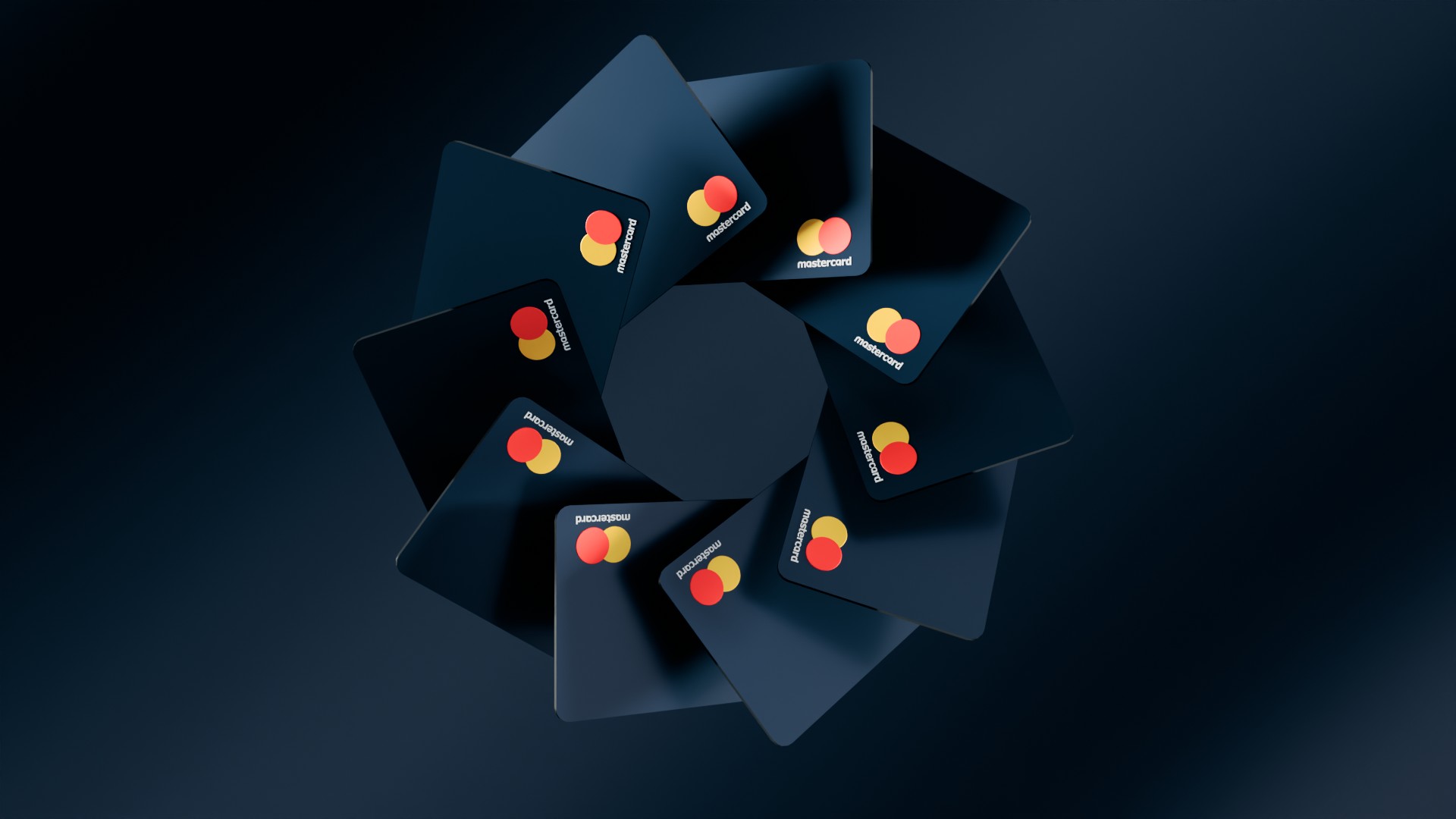
The important decisions happen long before the adaptations begin.
I think about how elements relate to one another rather than simply where they sit on screen. How a scene could expand into a wider format, how text might change length, or how different product imagery could affect the composition.
That thinking extends into how I build the After Effects project itself. Editable text, relative positioning and carefully organised compositions make it possible to change content without dismantling the original animation.
The aim isn't to make every variation identical. It's to preserve the idea and intent of the original design while allowing each version to work in its own context.
When a handful of master videos need to become hundreds of deliverables, this approach can make the difference between a project that adapts naturally and one that needs to be rebuilt at every step.
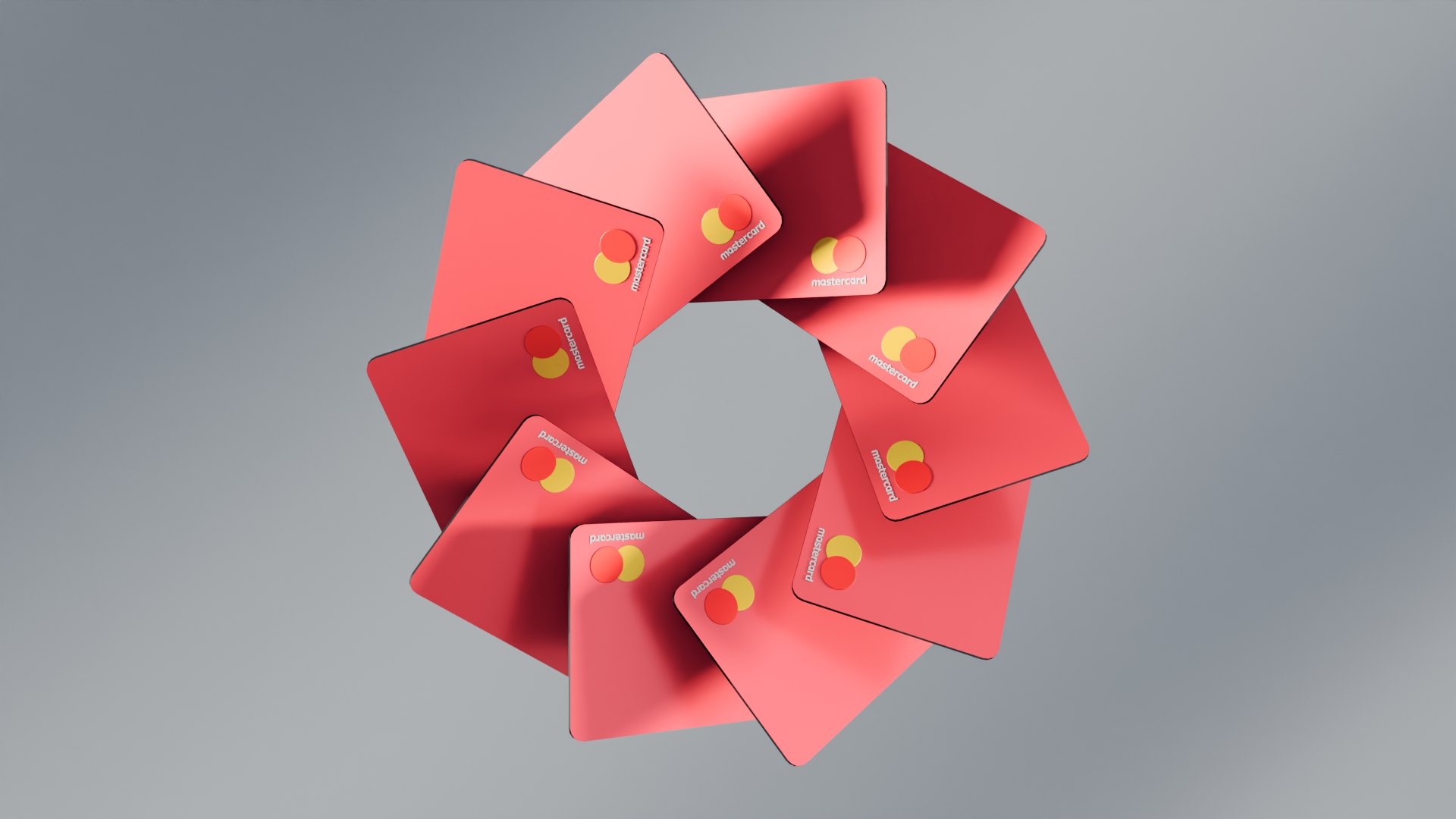
I've worked this way for years, developing smaller tools and workflows along the way to make adaptation more reliable.
That experience eventually informed two major capabilities in MDKit Pro: Reflow, which helps adapt compositions and reframe footage for different aspect ratios, and Adaptations, which uses structured data to produce variations across languages, products and other content.
But the relationship goes both ways. The software can handle more of the repetitive production work because the underlying motion has been designed to accommodate change.
MDKit Pro helps make the work scalable. Designing for scale is what makes that possible in the first place.